






































On October 1, 2025, the U.S. Federal Government shut down as a result of Congress being unable to agree on a budget for the new fiscal year. But on November 10th, 2025, eight Democratic senators crossed party lines to alleviate the shutdown conditions in a 60-40 vote.
The government doesn’t serve us as we’ve been told — more often it seems quite the opposite. In reality, we serve the government, and the shutdown made this evidently clear as we paid them to do nothing. But of course, not all of our money goes to bureaucrats; a large portion of it goes to welfare, too. And it’s the people who receive a common currency of this welfare that taxpayers supplement — referred to as food stamps, SNAP Benefits, and EBT — who believed they would be impacted.
As of May 2025, nearly 42 million Americans rely on SNAP benefits. That’s approximately 1 in 8 people, and the program has cost American taxpayers $100 billion every year since 2020 and over $60 billion every year since 2009.
In 2020, many Americans applied for SNAP benefits due to mass layoffs during the COVID-19 quarantine. However, this isn’t what spiked the national spending on SNAP from $60 billion to $100 billion a year, as there was only a 7% increase in recipients, yet a 66% increase in federal spending (Center on Budget and Policy Priorities). The individual numbers show that each of these 42 million people (keep in mind, multiple members of a single household can obtain SNAP benefits) receives $2,830 a year for groceries alone. That’s $200 per month, per person.
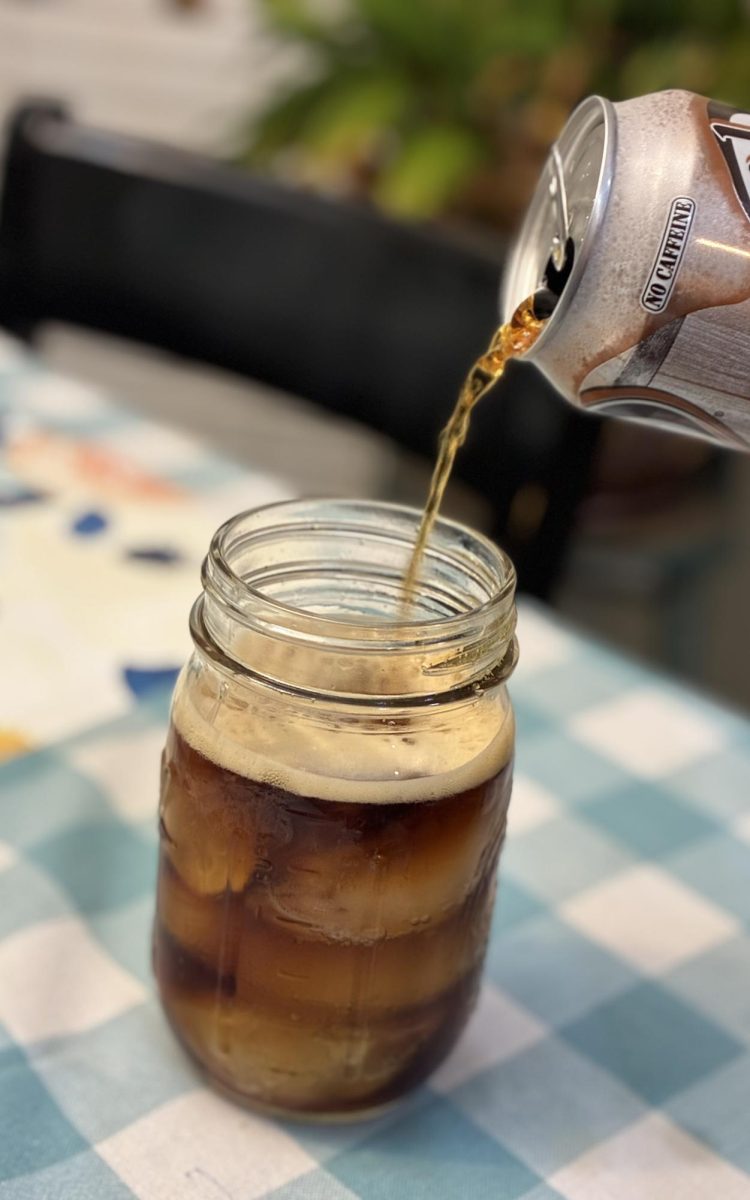
Food is a right — a commodified right — but a right, nonetheless. The government should not withhold food supplies, make food inaccessible, or interfere with food security. Are specialty foods, foods like Irish imported butter, Italian imported olive oil, caviar, Wagyu beef, or junk food like energy drinks, candy, ice cream, soda, chips, etc., human rights? No. One man’s right is everyone else’s responsibility. Should we mind tax dollars going to pay for a family-in-need’s fresh, canned, or frozen meat and produce? No. What about it being spent on store-brand dairy and deli products, or bottled water? Also, no. But some people feel disgruntled when hard-working, tax-paying citizens can’t afford some of the luxuries covered by SNAP, while people who are supposedly struggling to put food on the table can, but not with their own money.
Food is a human right, but not all food. Housing can be considered a human right, but not mansions. Healthcare can be called a human right, but not cosmetic surgery. If somebody else has to provide something, it’s not a self-sustaining natural human right. In the natural world, food doesn’t appear in out of thin air – one has to go hunt or harvest it. The modern equivalent is the derived right of working, earning a paycheck, and going to the grocery store. Purposefully blurring the line between luxury and regular food, but simultaneously making the point that healthy food is more expensive (it’s not), therefore unaffordable even with SNAP benefits, is a coping mechanism to distort the fact that maybe we don’t need frivolous or unhealthy cuisine if we can’t purchase it ourselves.
What changes could Congress make to actually improve the situation via reduction alterations? A few ideas have been circulated: abolishing SNAP altogether, dramatically cutting back funding, slightly reducing funding, or the recently proposed bill called the “Healthy SNAP Act of 2025.” This bill was introduced to expand restrictions to include all sugary drinks, candy, and prepared desserts, and requires brands to reevaluate the fat, sugar and salt content of their foods to qualify for SNAP (Bill S.561).
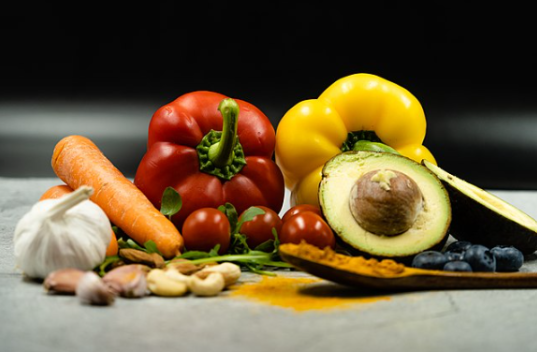
Defining “healthy” is hard to do in America. Approximately 65% of Americans over the age of 18 take prescription medication; 40% of adults in America are obese; and approximately 20% of children in America are obese (Centers for Disease Control and Prevention). An easy way to make health more accessible is by finding the healthy in what’s already accessible: store-brand products are produced at the same quality as name-brand foods. So, limiting SNAP benefits to only cover store-brand products and “the basics” (fresh, canned, and frozen produce & meat, store-brand dairy, deli items, and water) will help lower the amount of money that needs to be allocated to EBT programs while recipients can secure more food. Similarly, more education in schools about economics, personal finance, cooking, and lifestyle improvements can help to support the agency of the recipients of SNAP benefits.
The efforts to create a healthier America aside, what other good can actually come out of reducing the spending on EBT? Due to the vast scale of the EBT program, if the government reduced the amount of money spent on the program, grocery prices would decrease, and we’d have more money to allocate towards other needs, like healthcare and social security.
Grocery prices are something that people complain about a lot, but they rarely talk about the potential ways prices could be lowered with domestic efforts. When the government spends a massive amount of money ($100 billion annually) subsidizing a particular product in any context, the price of that product will naturally increase (we saw this with college tuition, healthcare services, and rent housing). The subsidy creates increased demand for the product but does not increase the supply. This greater demand appears because with $200 worth of free groceries a month, that’s not just $200 of groceries, that can be $300 worth of groceries for only $100 spent by the individual. That is how it’s meant to function, but that’s the inherent flaw within giving out free money–it inflates prices.
The consensus doesn’t have to shift, but our approach does. It’s hard to find anybody who believes that households of low fixed incomes don’t deserve food, as that was never the status quo. The ultimate goal of welfare programs is to provide for the population in need as we attempt to pull them out of poverty altogether. And if an individual wants to purchase a luxury good, something not needed to survive, they are expected to pay for it out of their own pocket the same way everyone else is expected to.
Reducing unsustainable federal spending on SNAP may seem like fiscal prudence for the time being, but the tides will gradually shift. Taxpayers deserve to be relieved of contributing to a perpetually expanding debt, which will ensure the program’s long-term availability. A balanced approach that combines a reduction in federal spending, nutrition and cost standards for what is SNAP eligible, and genuine class empowerment through improving health and public education standards can redefine the welfare program’s purpose: fundamentally dedicated to moving every individual from relying on the safety net to realize their full self-sufficient potential.
Sources Used
Population on SNAP statistics and annual federal spending:
U.S. Department of Agriculture (USDA); Center on Budget and Policy Priorities; Department of Health and Human Services.
- A Closer Look at Who Benefits from SNAP: State-by-State Fact Sheets
- USDA Chart Gallery: SNAP Participation and Costs, 2000–2023
- USDA Chart Gallery: SNAP Benefits Over Time
- USDA SNAP Key Statistics and Research
- Arkansas Department of Human Services: SNAP Eligibility Charts
- CBPP: A Quick Guide to SNAP Eligibility and Benefits
S.561 / Healthy SNAP Act of 2025:
National health statistics:
Centers for Disease Control and Prevention (CDC).
- National Center for Health Statistics: Prescription Medication Use
- CDC Data Brief #508
- CDC: Childhood Obesity Facts