




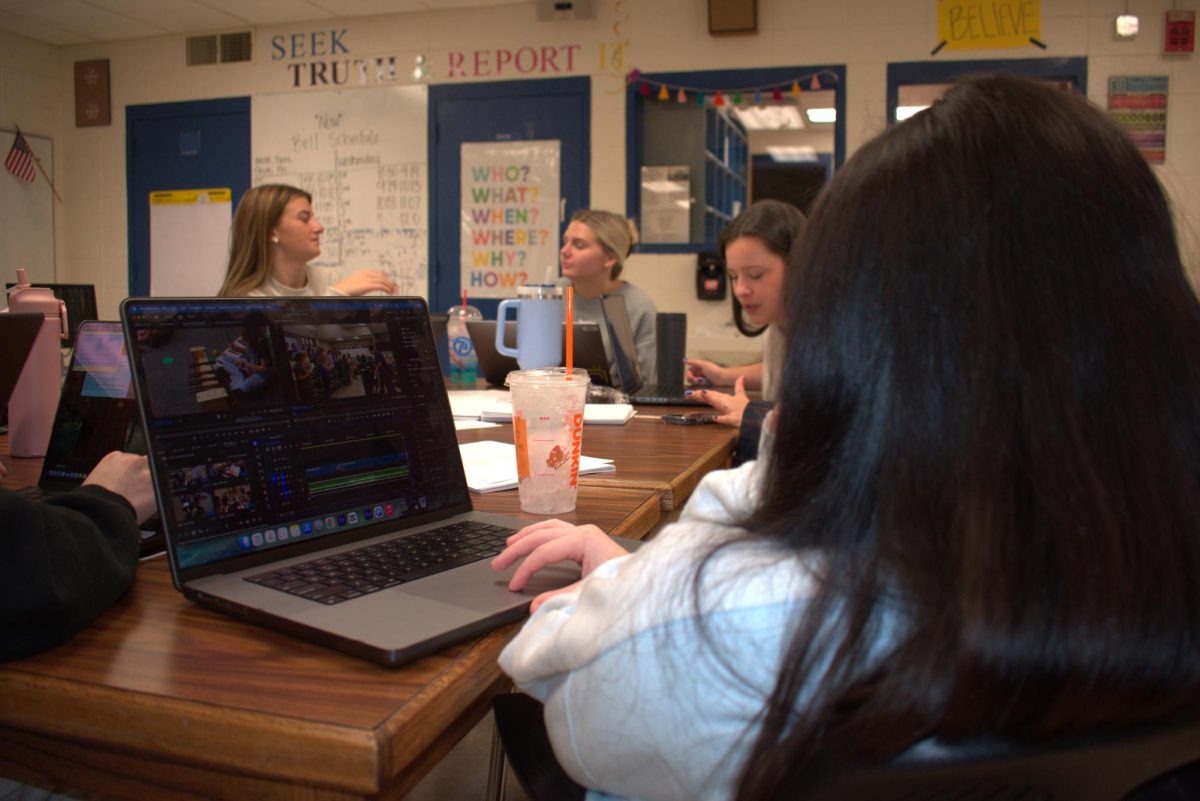




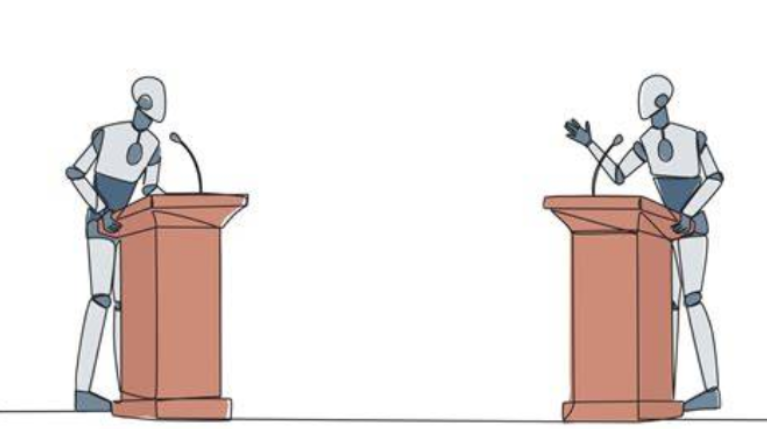




























The growing prevalence of AI has ushered in an inevitable change in the ways students and teachers approach the learning process. As of the 2024–2025 school year, 85% of teachers and 86% of students in the United States reported using AI for school-related purposes. At Lakeside High School, there is a range of reactions among students and teachers regarding AI’s impact on student learning.
Students reported using AI in a variety of ways, ranging from academic support to writing assistance. Sophie Martin (12) explained that in her AP Chemistry class, AI has played a significant role, serving as her “personal tutor” that provides immediate feedback when there is not enough class time. Similarly, Drew Hodges (11) shared that she uses AI to help generate ideas when starting essays. However, multiple students, including Trysen Wiles (12) and Braylen Williams (11), noted that AI is also embedded in their classes through Class Companion—a platform that provides guidance and feedback without directly giving answers.
Despite these uses, students expressed growing concerns about the future of learning. Braylen Williams (11) said he has witnessed students use AI for simple tasks that could be completed independently, which he believes is harming critical thinking and originality. Isla Hale (12) echoed this concern, stating that “people are being programmed to not think critically anymore.” Students such as Sawyer Headlee (12) and Martin also noted that AI’s ability to generate fast, personalized responses may reinforce bias and discourage independent thinking, with some expressing that students are becoming “scared to be wrong.”
These concerns are not limited to students. Teachers at Lakeside High School shared similar perspectives on AI’s impact in the classroom.
Mr. Jack Baudouin, a 12th-grade English teacher, said AI should be embraced because “it is not going anywhere,” but acknowledged concerns about misuse, particularly in relation to academic dishonesty. Similarly, Mr. Ron Franklin, an AP History teacher, expressed concern that AI may increase student apathy and undermine their ability to think critically and independently, warning that students may struggle to develop the analytical and discussion-based skills necessary for higher-level learning.
On a deeper level, Ms. Hayden Shamel, an AP ELA and composition teacher, emphasized the broader implications of AI in education. She explained that “education has become almost transactional,” where the focus shifts from genuine learning to simply completing assignments for grades. She argued that AI risks taking away from the authentic and often imperfect process of learning, advocating instead for an educational environment that embraces mistakes, critical thinking, and the development of students’ individual voices.
As AI continues to grow in accessibility and usage, there remains a divide over how it should be incorporated into the learning process. While some view it as a valuable tool for support, others caution against its potential to undermine essential skills. At Lakeside High School, one thing is clear: finding a balance between the use of AI and the preservation of authentic learning is essential.